
CHORUS:
Yes me father was a Geordie and Geordie’s understand
We’ve always had the dole queues, they’re part of Geordie land
Me father was a grafter and worked hard for his pay
He would take any job, many would turn away
He lived through the depression, hunger marches then were rife
We’ve always had the dole queues, they’re part of Geordie life
Me uncles were apprentices, in shipyards on the Tyne
Working for a pittance like their cousins down the mine
As soon as they reached twenty one, in turn were shown the door
Two more fitters on the dole, until the next world war
CHORUS: Yes me uncles were both Geordies, and Geordies understand
We’ve always had the dole queues, they’re part of Geordie land
Their father, that’s me grandad was out of work as well
With three of them on the dole in one choose it was hell
The means test man would often call and look around the hoose
And tell them sell your furniture or your money we’ll reduce
CHORUS: Yes me grandad was a Geordie, and Geordies understand
We’ve always had the dole queues, they’re part of Geordie land
Me father, some say, was lucky, he was never out of work
Though he was just a labourer, he would never shirk
He worked in a local furnace, with temperatures so hot
That dole was still paid to those who refused it on the spot
CHORUS: Yes me father was a Geordie, and Geordies understand
We’ve always had the dole queues, they’re part of Geordie land
And when there was no work for him he didn’t steal or rob
He travelled down to London and found himself a job
He lived in digs and sent his wage each week to his family
Determination found him work, not luck, it seems to me
CHORUS: Yes me father was a Geordie, and Geordies understand
We’ve always had the dole queues, they’re part of Geordie land
The place where we lived then was worse than those I’ve seen
Described as ‘deprived areas’ on my TV screen
We didn’t have television, videos and satellite
But had respect for the law and knew wrong from right
CHORUS: And yes, I’m a Geordie, and Geordies understand
We’ve always had the dole queues, they’re part of Geordie land
Words & Music by Wilf Mitford
For some reason, this song is one I hadn’t paid much attention to until recently, when I was listening to Geordie Greats with my husband on the way back from the St Alban’s Festival. In an interview in 2018 Wilf described that he intended the Geordie Greats album to be a showcase for me and my voice. He only sang 2 tracks – this one and O’er the wall is oot. So, I suspect I was pretty busy concentrating on getting all of the other songs right, rather than focusing on this song.
In the same 2018 interview, Wilf described this as a protest song. It was written around Maggie Thatcher’s rise in the 1980s, which led to a significant increase in unemployment as both the mines and the shipyards closed, both central industries in the North. These events impacted many families across Tyneside, including the Mitfords.
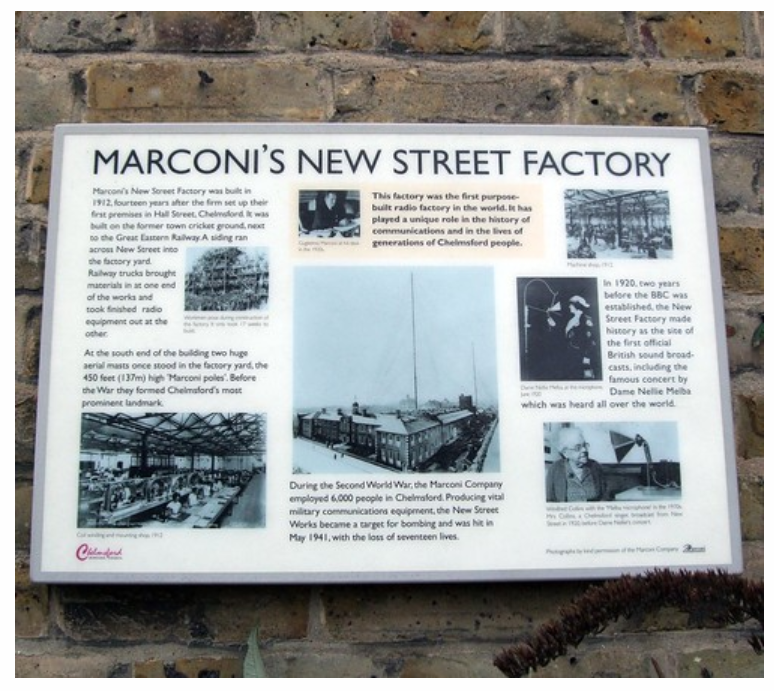
Once again, it’s not only social commentary that Wilf pens in his songs, but it’s also important family history. Wilf describes his father’s experiences being raised during the depression, through to experiencing difficulties finding work in the 1960s. As a labourer, initially working in the chemical works in Gateshead, where a number of the Mitford men had found work before him, as well as in the cement works and a furnace, Bill then travelled for work when local jobs were scarce. He was able to find work for Marconi in Chelmsford when Dad was just a toddler. Note Wilf’s pride that his own father was prepared to take on work that others refused.
I was interested in the lyrics about the means test man. The application of the term ‘means test’ is testament to the growth and prosperity that has taken place in the North since the 1980s. Whilst for my great-grandfather, the means test used to establish how much money you would get to support a very basic life, by the 1990s, it was used to establish how much financial support I could have in going to University. Not long after the ‘means test’ was introduced we see the Jarrow March – a hunger march to bring attention to the unemployment in the North. There’s a really interesting and brief description of the ‘means test’ and the impact of its introduction in 1931 on the BBC website, plus information on the Jarrow March;
https://www.bbc.co.uk/bitesize/guides/z86vxfr/revision/2
The song reflects the grit and determination of Geordies, as well as how tough times come for every generation in some way or another.
 Mitford Music